


Where is liquid nitrogen used?
Nitrogen is a widely available substance and one of the most abundant elements on Earth, making up around 78% of the atmosphere. It is an odorless, colorless, inert gas with countless scientific, medical, and industrial uses. Nitrogen is an essential component of proteins and a crucial "building block" of life, including amino acids and enzymes.
Liquid nitrogen is produced when nitrogen is separated from atmospheric air to remote oxygen, carbon dioxide,vapour and other trace gases. Using a liquid nitrogen generator, this output is then cooled to cryogenic temperatures below −196°C (−321°F) using a cryocooler, then the condensed liquid is collected in an insulated storage tank.
Thanks to its unique properties, liquid nitrogen is widely used wherever rapid cooling, freezing, preservation, or temperature control is required.
Liquid nitrogen use in medical applications
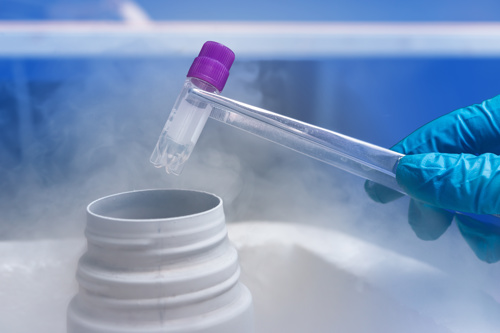
The healthcare and life sciences sectors are among the biggest consumers of liquid nitrogen. Its ability to rapidly freeze biological materials without causing significant damage to cells/tissues makes it invaluable across a variety of medical processes.
Pharmaceutical manufacturing is one of the key applications. Liquid nitrogen is used to maintain product stability, protect temperature-sensitive ingredients, during processing and transportation.
Biobanking and hospitals are also amongst the largest users, relying on a steady nitrogen supply for long-term cryopreservation. This capability plays a crucial role in medical research, IVF/fertility treatments and transplantation programmes.
Other laboratory uses include the preservation of cell cultures, storage and transportation of vaccines, long-term storage of biological products and instrument cooling.
Dermatology uses smaller amounts of liquid nitrogen frequently for the freezing of abnormal tissue. Through cryotherapy, warts, skin tags, lesions can be destroyed with a minimally invasive option and relatively low risk of complications.
Industrial uses of liquid nitrogen
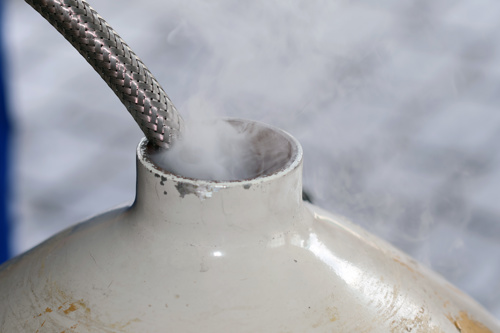
Liquid nitrogen also plays a critical role across many industries, providing a safe and efficient method of refrigeration and process cooling.
In food and beverages, liquid nitrogen is used to preserve flavor, texture, and nutritional value. It is widely used in cryomilling for the production of fine powders.
Cryomilling can also be used in rubber/plastics processing, whereby materials are made brittle for processing using liquid nitrogen to be effectively pulverized into fine powders. This method is used for tyre manufacturing, recycling, and additive manufacturing.
On-site nitrogen generation benefits
Reduced Supply Chain Dependence
Generating nitrogen on demand eliminates reliance on external deliveries and protects organisations from supply disruptions, transportation delays, and fluctuating market prices.
Lower Operating Costs
On-site generation significantly reduces the costs associated with transporting, handling, and storing bulk liquid nitrogen. Businesses only produce the nitrogen they need, improving efficiency and reducing waste.
Improved Sustainability
By reducing the need for frequent tanker deliveries, on-site generation can help lower transportation-related carbon emissions. Modern nitrogen generators are also highly energy efficient, supporting wider sustainability goals.
Continuous Supply
Facilities that require a constant source of nitrogen benefit from uninterrupted production capability. This is particularly valuable in healthcare, pharmaceutical manufacturing, food processing, and critical industrial operations where downtime can be costly.
Enhanced Safety and Control
Producing nitrogen on-site allows organisations to maintain greater control over gas purity levels, pressure requirements, and supply availability while reducing the operational challenges associated with handling large volumes of cryogenic liquid.
Ready to make the first step to secure your own supply?
Get in touch with our team to explore how on-site generation can support your medical or industrial applications.