


How to handle liquid nitrogen safely
Liquid nitrogen itself occurs when nitrogen is gas gets cooled to 196°C (-321°F), where it condenses into a clear liquid. In this state, it can absorb large amounts of heat. To handle liquid nitrogen safely, proper PPE must be worn, and this should be carried out in an area with sufficient ventillation. One litre of nitrogen can become 0.7 m3 of gas, and because of this expansion, liquid nitrogen requires careful handling.
In this article, we'll review the key hazards associated with everyday tasks requiring liquid nitrogen, as well as the PPE requirements, training and compliance standards, and the benefits of opting for on-demand generation compared to storing large quantities of delivered liquid nitrogen in-house.
Key hazards of liquid nitrogen handling
Frostbite: Liquid nitrogen can freeze human tissue quickly. The severity of a contact injury depends on duration of contact, amount of liquid involved, and whether any liquid gets trapped against skin.
Spillages: Liquid nitrogen should only be stored and transported in approved containers. Cryogenic liquid containers are generally designed to operate with low pressure to avoid pressure build-up. Always avoid overfilling and dropping or rolling containers. Allowing them to fall over or subjecting them to impacts can result in loss of vacuum insulation.
Suffocation and oxygen deficiency: One of the most significant hazards associated with liquid nitrogen handling is oxygen displacement. Breathing in air with a low oxygen content can cause dizziness, fainting, and result in unconsciousness and death. Because nitrogen gas is odorless and colorless, it cannot be detected by human senses and as such poses one of the biggest risks. Symptoms can occur with little warning, which is why oxygen monitoring systems are essential safety measures for any application.
Personal Protective Equipment (PPE) for liquid nitrogen handling
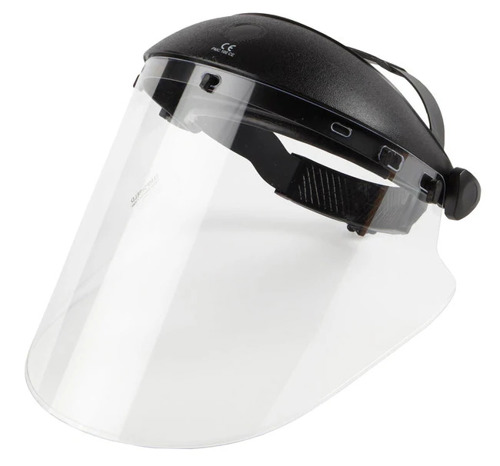
Eye/face protection
Eye and face injuries can occur from splashes or sprays. Make sure to invest in good quality eye protection with a visor. Standard safety glasses are not sufficient and should not be relied upon as the primary form of eye protection.

Gloves
Whether you're working in a lab or industrial setting, gloves are a must. Cryogenic gloves are insulated, waterproof, and loose-fitting, which makes it easy to shake them off instantly, should liquid get inside. They come in various sizes and lengths, with the longer ones suitable for reaching into deep storage containers.
What happens if I touch liquid nitrogen with my bare hands?
If you touch liquid nitrogen for a second or a droplet lands on your bare skin, you will likely not feel it. This is due to the Leidenfrost Effect, whereby a liquid, close to a solid surface that's significantly hotter, produces and insulating layer that keeps the liquid from boiling rapidly. A temporary cushion of nitrogen gas is created, which stops the freezing liquid from touching skin cells directly. However, this effect is only temporary (lasting around a second or less) and the barrier breaks down very quickly - which is why it should never be relied upon as protection.
If liquid nitrogen remains in contact with your skin, it will instantly freeze the tissue and cause damage. In any instance where the substance gets trapped by clothing, a ring, or folds of skin, it cannot evaporate, leading to instant burns. Prolonged contact leads to the extracellular water freezing first. As pure water turns to ice crystals, dissolved salts and molecules outside the cell become highly concentrated. This creates an osmotic imbalance that forcefully sucks water out of the interior of the skin cells, causing them to shrivel. The sharp intracellular ice crystals cause physical destruction, piercing and tearing internal cell structures. Blood vessels freeze and clot, cutting off blood supply and causing localized tissue death. Over the next few weeks, the dead tissue dries into a crust or scab that eventually sloughs off, while fresh skin cells regenerate underneath.

Apron/clothing
A cryo-apron provides additional protection against splashes and spills during transfer or handling. Be sure to a wear thick, long-sleeved shirt underneath to cover your arm and protect your upper body. Wear long trousers without cuffs or turn-ups and roll your trouser legs over your boots to prevent liquid from pooling in folds or reaching the insides of your shoes. Sturdy, closed-toe safety boots or water-resistant safety shoes help protect your feet from both mechanical impacts and liquid spills.
Do I need a respirator for liquid nitrogen?
No - standard air-purifying respirators will not provide any protection, because the main danger while handling liquid nitrogen is the lack of oxygen content, rather than exposure to a toxic gas. Because liquid nitrogen can quickly boil off and evaporate into large quantities of gas, it can quickly displace the oxygen in the air, leading to breathing difficulties. Respirators cannot supply oxygen for an already oxygen-deficient space. Most effective controls for preventing this are adequate ventilation, safe working procedures, oxygen monitoring systems and appropriate training and risk assessments.
The importance of safety training
Liquid nitrogen is generally safe when handled correctly, but its extremely low temperature and rapid expansion into gas mean that anyone working with it should always receive appropriate training before use. Training should cover safe handling, PPE requirements, transfer methods, signs of oxygen deficiency, and steps for providing first aid in case of a spill, leak, or exposure injury.
Employeers must make sure risk assessments are carried out and regularly reviewed, particularly where large amounts of liquid nitrogen are used or stored. The combination of proper equipment, safety procedures, and training is the best way to minimize risks.
On-site generation safety benefits
Choosing the right liquid nitrogen supplier is important both for safety and operational efficiency. While traditionally supplied by bulk delivery, many organizations are turning to on-site generation as a safer and more convenient alternative.
A nitrogen generator produces a supply directly from atmospheric air, eliminating the need for routine deliveries. The supply depends on the generator's capacity and is available for use directly from the system.
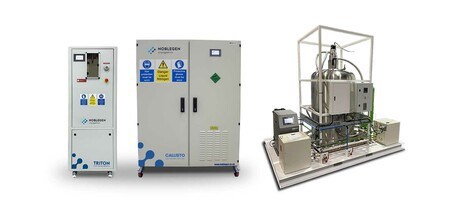
Practical benefits of a nitrogen generator system include:
- Reduced handling of cryogenic liquids,
- Improved supply continuity,
- Lower dependence on deliveries,
- Greater operational control,
- Reduced transport-related risks.
Conclusion
Liquid nitrogen plays a critical role in many scientific and industrial applications. Although it is a non-toxic and highly effective cooling medium, its cryogenic temperature, rapid expansion into gas, and ability to displace oxygen must always be handled with care. Using correct PPE, following approved procedures, and ensuring personnel receive training, organizations can safely benefit from using liquid nitrogen while minimizing operational risk.
Interested in on-site liquid nitrogen generation? Get in touch with Noblegen today and one of our local experts will get back to you to discuss your requirements.