


For IVF clinics and fertility centrers, access to liquid nitrogen is crucial for the long-term protection of embryos, oocytes and sperm that represent future treatment opportunities for patients and their families.
Maintaining the integrity of cryopreserved reproductive materials depends on stable storage conditions, making liquid nitrogen (LN₂) a critical part of IVF laboratory operations. Any disruption to the supply chain can place valuable samples at risk, putting pressure on embryology teams responsible for storage management and regulatory compliance.
Demand for fertility treatment has been growing with Asia-Pacific consistently identified as the fastest-growing region, while Europe and North America continue to capture the largest total market share.(1)
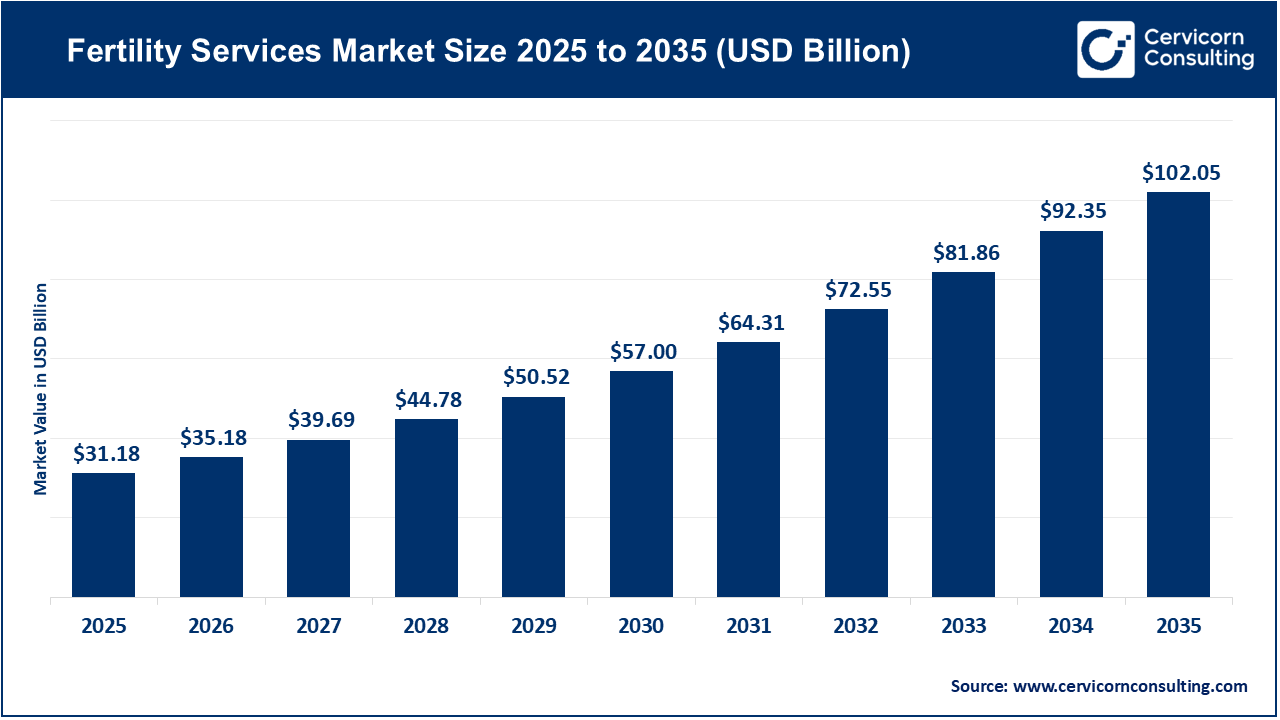
Supply chain vulnerabilities, rising transportation costs and strict compliance mandates are driving self-sufficiency and the adoption of on-site/plug-and-play liquid nitrogen generation systems.
The Challenge of Delivered Supply
Most IVF clinics rely on delivered liquid nitrogen to maintain cryogenic storage vessels and vapour phase storage systems. While this has traditionally been the established model, it can introduce vulnerabilities that are outside the clinic's control.
Unexpected factors such as supplier shortages, severe weather, rising demand, production outages, or increasing delivery costs can affect the price and availability of liquid nitrogen. For laboratories responsible for preserving thousands of embryos, oocytes and sperm samples, maintaining continuity of supply is essential.
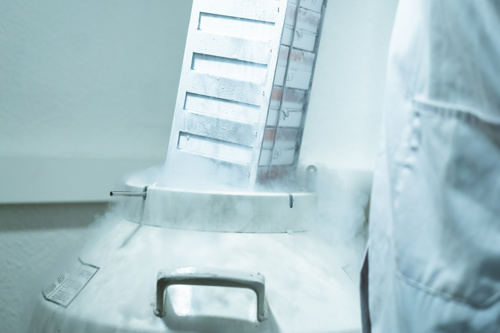
Why Liquid Nitrogen Reliability Matters in IVF
Cryopreservation is central to modern assisted reproductive technologies (ART). The success of these programmes depends upon maintaining cryogenic temperatures throughout the storage lifecycle. While storage tanks are designed to provide thermal protection, they still require regular replenishment with liquid nitrogen.
A dependable supply strategy helps IVF clinics minimize operational risk, maintain confidence in storage systems and ensure continuity for patients who may rely on preserved reproductive material months or even years into the future.
Benefits of On-Site LN₂ Generation for IVF Clinics
To improve supply security, an increasing number of life science and healthcare facilities are turning to on-site liquid nitrogen generation.
Rather than depending entirely on bulk deliveries, an on-site system enables clinics to generate liquid nitrogen directly at their facility, providing a continuous source of cryogen for storage applications. Generators can be matched to the required production output and are able to create liquid nitrogen from atmospheric air.
Using a liquid nitrogen generator comes with several benefits:
Enhanced Supply Security
By producing LN₂ on-site, clinics can significantly reduce their exposure to external supply chain disruptions.
Whether faced with a delivery delay, supplier pressure or unexpected demand fluctuations, facilities retain greater control over the availability of liquid nitrogen needed to support biostorage operations.
Improved Operational Resilience
On-site generation can provide additional assurance for facilities storing high-value reproductive material.
A local source of liquid nitrogen helps support business continuity planning and can form an important part of a broader cryostorage risk management strategy.
Reduced Administration/Planning
Traditional supply models require ongoing coordination of liquid nitrogen deliveries, storage management and inventory monitoring.
Generating LN₂ on-site reduces reliance on scheduled deliveries and simplifies long-term supply planning, particularly for facilities with growing storage requirements.
Greater Cost Predictability
Although delivered liquid nitrogen costs can fluctuate due to transport, energy and supply chain factors, on-site generation can provide a more predictable long-term operating model.
This allows clinics to better forecast future costs.
Supporting the Future of Fertility Preservation
Demand for fertility preservation and long-term cryogenic storage continues to increase as reproductive technologies advance and more patients choose to preserve reproductive material for future use.
As storage inventories grow, ensuring a secure, dependable supply of liquid nitrogen becomes increasingly important.
For IVF clinics seeking to strengthen operational resilience, improve supply security and reduce dependence on external deliveries, on-site liquid nitrogen generation offers an effective solution. By bringing production closer to the point of use, fertility centres can support the safe, continuous storage of the reproductive material entrusted to their care.
Reach out to Noblegen Cryogenics today if you are a fertility clinic or IVF training provider to find out how we can help you modernize your liquid nitrogen supply.