

What is cryotherapy?
Whole-body and wellness applications
While targeted liquid nitrogen application is a common way of fighting abnormal or unwanted tissue cells, general cryotherapy is also used for wider wellness purposes.
Exposure to extreme cold triggers the body's anti-inflammatory response, helping to calm inflamed tissues and reduce swelling.
This method is popular among athlethes to speed up recovery by enhancing blood flow during the rewarming phase and reducing muscle soreness. Studies suggest whole-body cryotherapy can also boost endorphins (improving mood), enhance sleep and stimulates circulation.
It is important to note that whole-body cryotherapy is not suitable for everyone and the FDA has not approved any devices for the treatment of medical conditions.
The role of liquid nitrogen
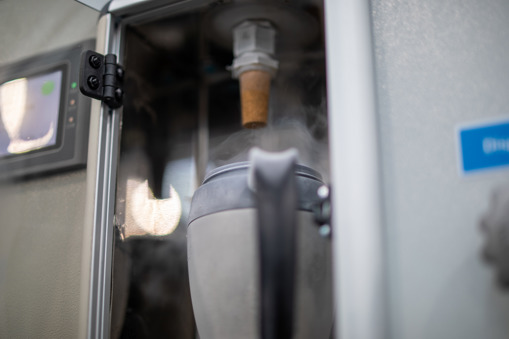
Liquid nitrogen is considered the cryogen of choice in most situations due to its effectiveness and predictable freeze capability. When liquid nitrogen is applied to the skin, it causes instantaneous freezing of intracellular and extracellular water. The faster the cooler, the greater the structural damage. This mechanism is the core driver of tissue destruction in cryotherapy.
- Temperature: the extremely cold temperature of liquid nitrogen provides the deepest, most effective freezing of any practical cryogen suitable for clinical use.
- Predictable tissue penetration: liquid nitrogen produces repeatable results and uniform ice-ball formation, which is critical for safe, controlled lesion destruction.
- Versatility: LN2 is readily available and suitable to be used with a variety of spray devices and applicators.
- Minimally invasive procedure: cryotherapy with liquid nitrogen avoids open surgery and requires little aftercare.
How is cryotherapy delivered?
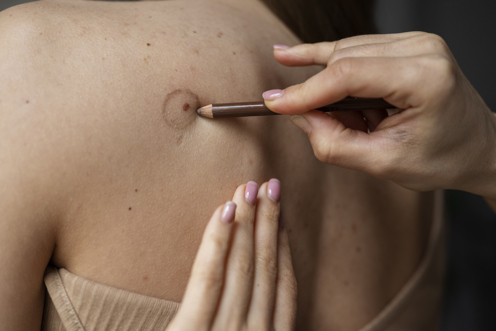
Generally, common skin diseases can be treated by using techniques such as cotton swab dipping, spray freezing, or contact freezing.
- Spray devices offer quick cooling for many lesions.
- Cotton-tipped applicators are useful for small-area applications of a few milimeters.
- Cryoprobes are often used for internal or deeper lesions.
All of these techniques involve applying liquid nitrogen to the lesion for a short period of time, from a few seconds to tens of seconds, and can achieve good therapeutic results.
What happens when liquid nitrogen makes contact with the skin?
Dimethyl ether and propane (DMEP) vs liquid nitrogen
Over-the-counter (OTC) wart-freezing therapy has become commonly available for users as a portable, easy to use alternative treatment method. Manufacturers have substituted liquid nitrogen with dimethyl ether and propane (DMEP) for at-home use. DMEP operates at warmer temperatures (approx. -57 to -20 Celsius) and is suitable for the treatent of common warts in home settings.
Although some clinical studies found DMEP to have similar effectiveness to liquid nitrogen treatments, other suggested that that effectiveness is reduced when dealing with more deeply rooted warts. DMEP has a slower freeze rate, which means it does not create the same depth of tissue necrosis as in-office cryosurgery using liquid nitrogen.
The benefits of liquid nitrogen cryotherapy
Application of liquid nitrogen in a medical setting is an effective and minimally invasive way of destroying damaged or diseased cells.
- Quick and effective: Treatment sessions are typically short, lasting only a few minutes per lesion, with minimal recovery time required afterward.
- Minimally invasive: The procedure is performed in an outpatient setting, often without the need for local anesthetic, incisions, or stitches.
- Good cosmetic outcomes: The precision of cryotherapy treatment often results in excellent cosmetic results, with a reduced risk of scarring compared to some surgical alternatives.
Liquid nitrogen generators for cryotherapy
Noblegen provides a one-stop liquid nitrogen solution for cryotherapy in medical institutions, dermatology clinics, and other settings. The Triton LN10 F is a reliable, compact, and efficient plug-and-play liquid nitrogen generator for the field. Its small footprint, low power consumption, and low-noise system make it one of the leading liquid nitrogen solutions on the market.
The Triton series of liquid nitrogen generators are widely used in laboratories, research institutes, universities, hospitals, dermatology clinics, and other institutions.
Simply plug in the power and press the "Start" button, and the machine will automatically produce liquid nitrogen on demand. Triton liquid nitrogen generators come standard with a variety of safety features, providing customers with a safer, more reliable, and more convenient alternative to traditional liquid nitrogen delivery.
Conclusion
Cryotherapy is a highly effective, safe, minimally invasive, in-office dermatological procedure. A staple of modern dermatology, liquid nitrogen is an essential component to the treatment of unwanted or malignant skin lesions.
Generating liquid nitrogen at point of use is a more modern and reliable way of acquiring a liquid nitrogen supply, eliminating reliance on third-party deliveries. With continuous, on-demand production, practices are no longer vulnerable to supply chain disruptions.
Get in touch with Noblegen Cryogenics today to discover how on-site liquid nitrogen generation can make your practice safer and more resilient.