


Everyday applications of liquid nitrogen range from medical, scientific, and food production environments. Its use cases expand beyond laboratories and industrial facilities that most people associate with cryogenic technology. Liquid nitrogen plays a hidden role in a wide range of medical, food, and scientific processes - many of which you might encounter every single day without even realising it.
1. Automotive
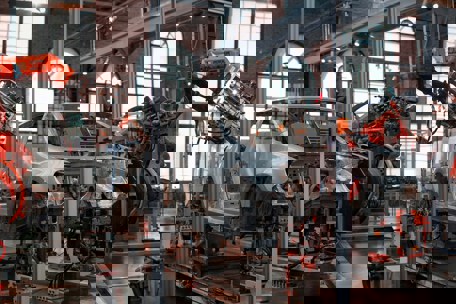
In the automotive industry, liquid nitrogen is used for shrink-fitting of components, such as gears, axles, and engine parts. This process involves cooling metal components with LN₂ to contract them, allowing precise insertion into housings or assemblies.
As the part warms back to ambient temperature, it expands to form a tight, interference‑free fit without the need for excessive force, heating, or mechanical stress. Shrink‑fitting with LN₂ improves assembly accuracy, reduces risk of component damage, and enhances long‑term reliability in high‑performance automotive systems
2. Food and beverages
3. Pharmaceutical
4. Aerospace

5. Semiconductors
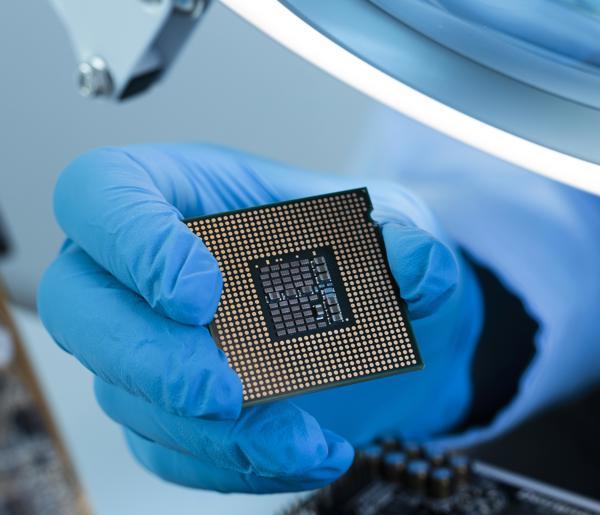
In the electronics industry, liquid nitrogen provides the ultra‑low temperatures required for cryogenic cooling of semiconductor fabrication processes, high‑precision wafer testing, and the rapid cooling of materials during manufacturing.
LN₂ is also used to embrittle and remove unwanted materials, such as adhesives or coatings, without damaging delicate circuitry. Fast, clean cooling improves product yield, supports higher component density, and enables performance testing of next‑generation chips where thermal management is critical.
Most people interact with liquid nitrogen-enabled technologies and products every day without even realising it. From frozen food in supermarkets to the chips that power our phones, liquid nitrogen plays a crucial role in modern manufacturing processes.
Whether we see it or not, this demonstrates how important this technology has become for us, from what we eat and drink to how we travel and stay healthy, demonstrating how indispensable cryogenic innovation has become.